The checklist
Proven Safety Tool
Leverage a tool with a long history of success in high-risk industries like aviation, specifically designed to reduce human error by overcoming memory limitations
Essential SMS Component
Utilize checklists as a vital part of your Safety Management System (SMS) to ensure operational success, safety, efficiency, and compliance, as required by the ISM Code
Error Prevention
Implement risk-based checklists for high-risk operations to add multiple safety barriers, encouraging team verification and catching errors of omission caused by distractions. This provides superior protection compared to basic 'read and do' checklists.
The History of the Checklist
The checklist as a safety measure traces its origins most notably to aviation, following the 1935 crash of the Boeing B-17 prototype. This incident, caused by pilot error due to forgotten critical steps, prompted the U.S. Army Air Corps to mandate checklists for flight operations, ensuring that complex procedures were followed consistently and safely. Over time, checklists have been widely adopted in other high-stakes fields—such as medicine—where the World Health Organization introduced the Surgical Safety Checklist to improve communication and reduce errors in the operating room
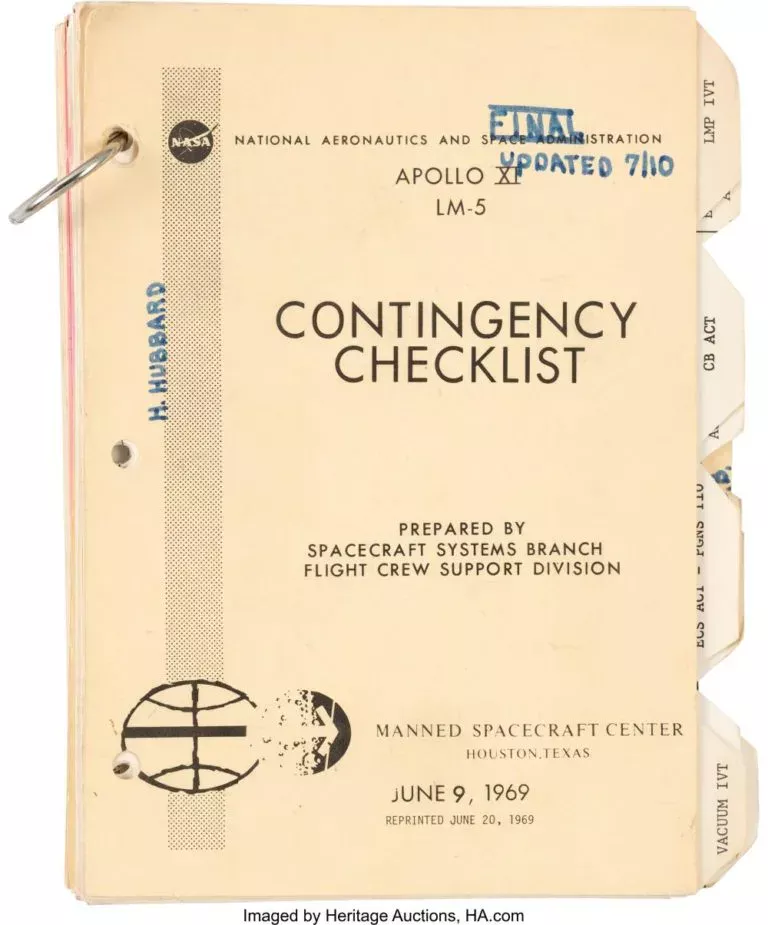
Example Checklist
Pre-departure bridge checklist
- Steering gearReady and tested
- PropulsionTested
- Navigational equipmentReady
- PilotOrdered